Table Of Content
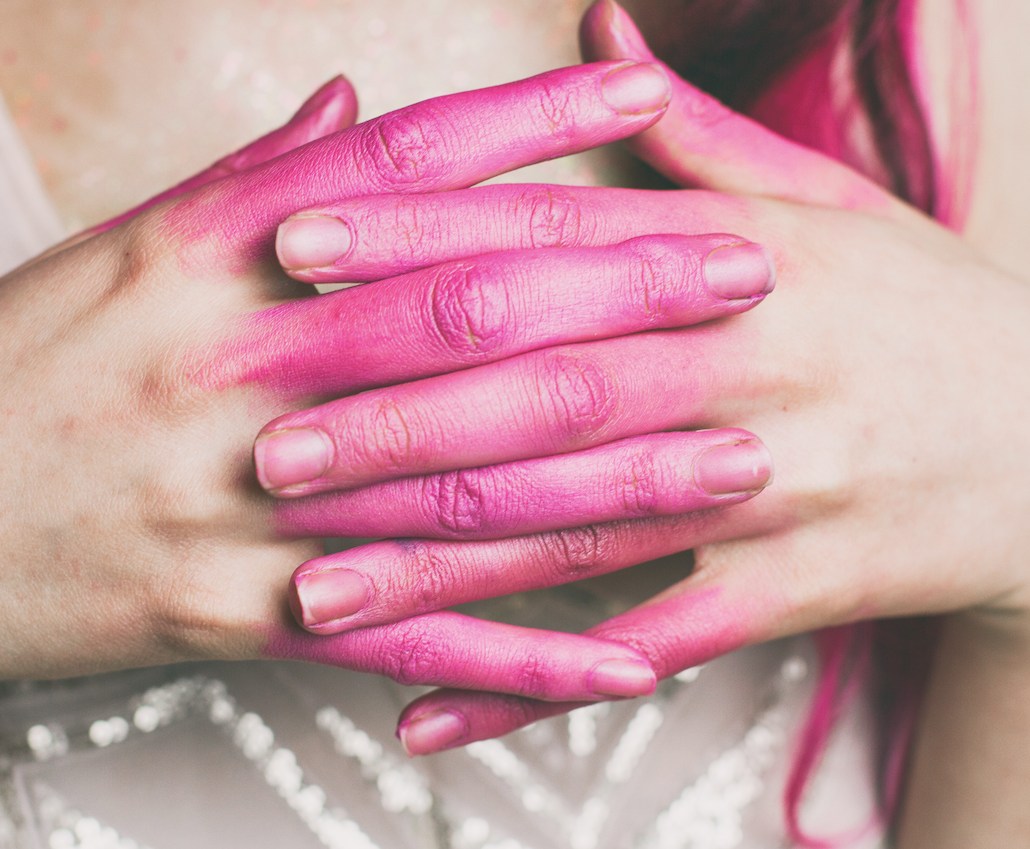
"If exposed to the skin, it can also penetrate through its outer layer, causing a semi-permanent tint." The next time you color your hair, follow steps like applying moisturizer or petroleum jelly to your hairline and around your forehead before applying dye. Anyone who feels any lingering discomfort or pain after using hair dyes or the methods to remove stains should contact their doctor. People can safely use baby oil on the face, although they should avoid getting it in their eyes as it may irritate.
Olive oil
For when she’s not using stain remover wipes, Casanova says that she likes to use a washcloth alongside her favorite face cleanser to safely remove color. She recommends rubbing the washcloth in circular motions on the stain to gently remove color without irritating the facial skin or causing breakouts. Dying hair is a potentially messy process, and staining along the hairline is common. Facial skin is sensitive, so a person should avoid using harsh chemicals to remove hair dye stains from the face and hairline.
Dish soap and baking soda
We’ll explain how to safely remove hair dye stains from your skin and share tips to prevent staining your skin the next time you color your hair at home. You can use soap and water or other household products to remove hair dye stains. But using certain products, like nail polish remover, may also damage your skin. However, getting great results using at-home hair dyes without staining your skin can be difficult when doing it yourself. The best hair dyes have properties that allow them to remain in place through weeks of shampoos. Those same qualities can make it hard to remove hair dye stains that get on your face, forehead, and hands after the process.
The Best Ways to Remove Hair Dye From Skin, According to the Pros
When removing hair dye from your skin, you want to use a product that is not water-based. Dyeing your hair a different color is an easy way to completely change your look. Isn’t it so exhilarating to try new hair colors and experiment with your hair? And worst-case scenario, if you don’t like how the color looks on you, you can always dye it another color! Those are the times it might be nice to have a professional who knows how to remove hair dye from skin on hand. We wouldn’t want to leave you with an unsightly spot, so just keep reading for our best beauty hacks to help remove any dye-meets-skin mishaps.
Once the dye is off, be sure to rinse the area with warm water and soap. Though it may take a few washes, some types of soap with warm water may remove hair dye, similar to the process of removing makeup, as well. Using micellar water or an oil-based cleanser before washing with soap may reduce the number of times you have to wash the affected area. You have a few options when it comes to safely removing hair color stains from your face and neck. Despite what a quick Google search will suggest, nail polish remover isn't one of them. Because the skin where dye tends to fall is delicate, you want to use the most gentle method possible.
Mix Dish Soap & Baking Soda
But whether it’s a complete transformation, a touch up, or adding in some highlights, the end result almost always leaves behind a mess to clean up, with unwanted dye on your skin that isn't the easiest to remove. "It's best to remove excess dye from the scalp quickly after symptoms occur and then reapplying to just the hair shafts," explains Dr. Herrmann. People can use many of the same methods to remove dye from other parts of the body. However, there are some additional techniques that a person can choose from to use on areas of skin that are not as sensitive as the face.

You can also keep your color looking fresh with the help of root cover-up. Both the L’Oréal Paris Magic Root Cover Up and the L’Oréal Paris Magic Root Precision Pen come in a range of shades to conceal your roots in a flash while rinsing out in just one shampoo. Good Housekeeping participates in various affiliate marketing programs, which means we may get paid commissions on editorially chosen products purchased through our links to retailer sites. Don't pull out the heavy hitters straight out of the gate — and nine times out of 10, you won't need them anyway.
They’ll charge you a small amount for this service, but it should do the trick to get the stain off your skin. Heavy-duty hand soaps, such as Lava soap, are designed to remove stubborn stains from the hands. While dyeing your hair at home has its benefits, it can be hard to achieve the same results as the pros. One of the most common problems in at-home dyeing is getting stains on your skin. There is a wide range of recommendations for ways to get hair dye off your skin.
For example, removing black hair dye from your skin can be harder than lighter colors. After the glue is removed, rinse the area well with warm water and use a soft towel to pat it dry. Apply moisturizer or aloe vera gel to help soothe and hydrate your skin, and relieve any irritation. Since hair dye can cause contact allergies, it’s important to check you’re not sensitive to them before making contact with the scalp and skin. You’ll be asked to do a test 48 hours before your colour and this covers you for up to 6 months. “If you’re a continuous client, you don’t have to get a patch test every 6 months if you’re coming in regularly,” John adds.
How To Remove Annoying Hair Dye Stains From Your Fingers, Neck, And Ears - Yahoo Finance
How To Remove Annoying Hair Dye Stains From Your Fingers, Neck, And Ears.
Posted: Tue, 28 Feb 2023 08:00:00 GMT [source]
Use a non-gel toothpaste, and apply a small amount onto a cotton swab or your finger. Leave on for 5 to 10 minutes, and then remove with a washcloth soaked in warm water. Your first defense when you notice hair dye on your skin should be to use soap and warm water to try to remove it. Taking steps to prevent hair dye coming into contact with skin can limit the need for stain removal methods.
Nail glue can sometimes be removed with gentle methods, such as soaking in warm, soapy water, or applying grease such as petroleum jelly or vegetable oil, then gently rubbing with fingers or a toothbrush. We know this tip may sound counterintuitive, but bear with us; you actually can remove hair dye stains by layering more of the same dye on top. Once you’ve applied the extra dye, take a clean towel and wipe the color off in the direction of your hair, moving away from your face. “You can finish this off with a damp corner of another towel and continue to wipe the color off until it’s completely gone,” Colombini said. To use as a dye remover, pour a small amount of rubbing alcohol onto a cotton ball or cotton pad.
She has written for multiple publications throughout her career, including InStyle, Architectural Digest, Glamour, and Elle, in addition to a copywriting for a handful of beauty and wellness brands. After dying hair, a person should watch for any signs of allergic reaction and contact a doctor immediately if they notice any worrying symptoms. By Heather JonesJones is a freelance writer with a strong focus on health, parenting, disability, and feminism. This method is a less risky technique to use if the affected area is near the eyes or mouth.
There are plenty of DIY hacks out that many swear by to safely remove these stains from your hands, hairline, and other parts of dyed skin with products you most likely already own. Plus, there are ways to prevent hair dye from coming into contact with your skin in the first place. Hair dye can be reactivated with more hair dye and can clean up unwanted hair dye on your skin. To try it, use a gloved hand to apply a bit of leftover hair dye to the stained areas of your skin. If you have a bottle of makeup remover or rubbing alcohol, apply one of these products to a cotton ball and gently dab this on the dyed patch of skin until the color fades.
They can be found as convenient pretreated wipes or as a liquid in bottle form to be applied with cotton rounds. Knowing how to remove hair dye stains on your skin can help you enjoy your new color without mistakes. Goebel also advocates for cleaning the hairline regularly throughout the dyeing process, as this will catch drips ahead of time. Now the hair is up and out of the way while the color processes,” she says. If necessary, acetone or acetone-based nail polish remover may be used to break the bond of the nail glue, but it carries the risk of skin irritation, is highly flammable, and must be used in a well-ventilated area. Consider Vaseline the trick to avoiding hair-dyed skin altogether.
If no at-home methods work to remove dye from your skin, consider making an appointment at a salon. Keep in mind that Vaseline will block color from reaching the hair, so colorist AJ Lordet makes it a point to apply it cleanly and evenly on the skin only. It's best to have artificial nails applied by a trained and qualified nail technician who knows proper technique, details about the products, and what precautions to take. In-between color sessions and noticing your color looking not-so-great?




No comments:
Post a Comment